Quick view Compare Add to Cart The item has been added Gonzagarredi PLASTIC NUMBER CARDS: SMALL, 1-3000 MSRP: Was: Now: $24
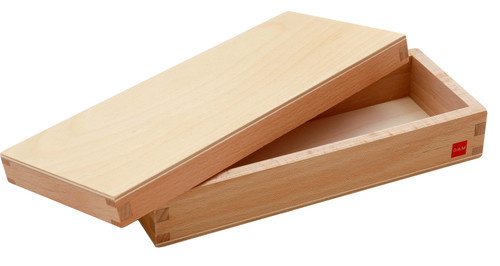
Quick view Compare Add to Cart The item has been added Gonzagarredi LARGE NUMBER CARDS BOX MSRP: Was: Now: $24
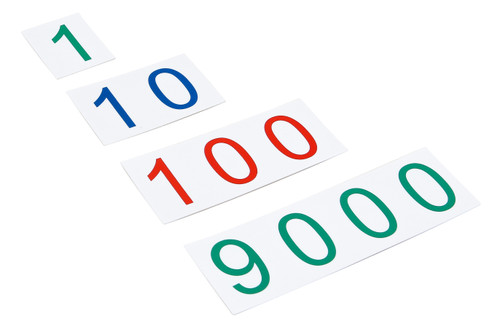
Quick view Compare Add to Cart The item has been added Gonzagarredi PLASTIC NUMBER CARDS: LARGE, 1-9000 MSRP: Was: Now: $44
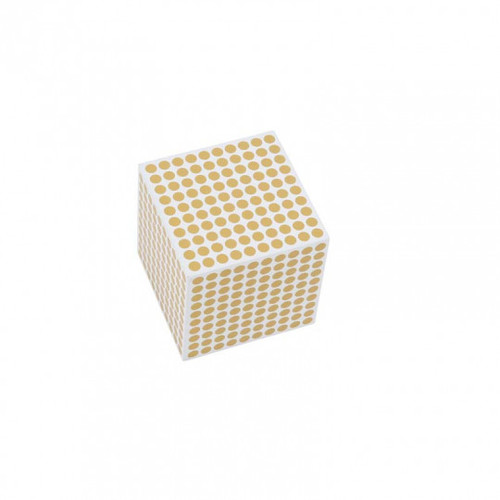
Quick view Compare Add to Cart The item has been added Gonzagarredi WOODEN CUBE OF 1000 MSRP: Was: Now: $19
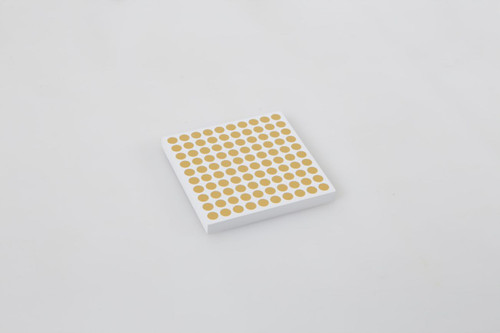
Quick view Compare Add to Cart The item has been added Gonzagarredi WOODEN SQUARE OF 100 MSRP: Was: Now: $8
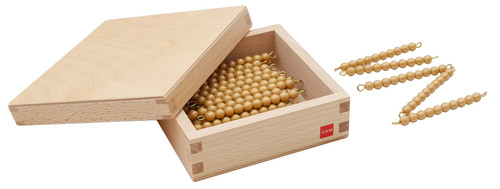
Quick view Compare Add to Cart The item has been added Gonzagarredi 45 GOLDEN BARS OF 10 W/BOX MSRP: Was: Now: $81
Quick view Compare Add to Cart The item has been added Gonzagarredi GOLDEN BEAD CUBE OF 1000 MSRP: Was: Now: $112
Quick view Compare Add to Cart The item has been added Gonzagarredi GOLDEN BEAD SQUARE OF 100 MSRP: Was: Now: $15
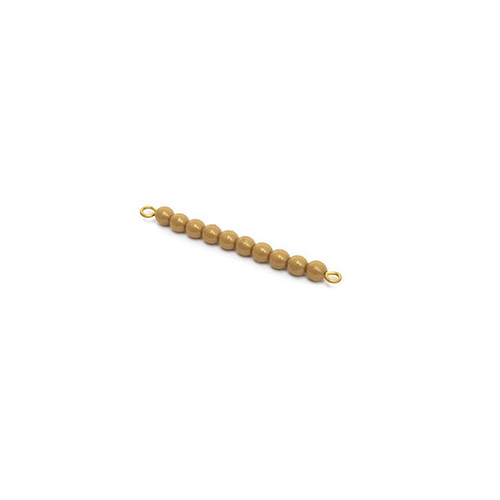
Quick view Compare Add to Cart The item has been added Gonzagarredi GOLDEN BEAD BAR OF 10 MSRP: Was: Now: $4
Quick view Compare Add to Cart The item has been added Gonzagarredi NUMERALS AND COUNTERS International Version MSRP: Was: Now: $58
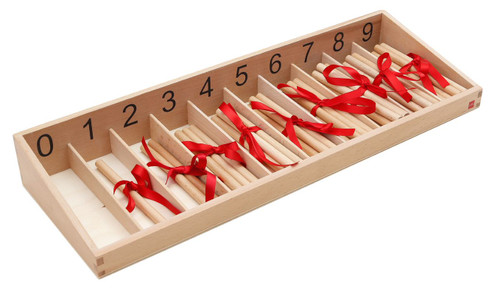
Quick view Compare Add to Cart The item has been added Gonzagarredi Spindle Box US Version MSRP: Was: Now: $226
Quick view Compare Add to Cart The item has been added Gonzagarredi Printed Numerals 1-10, US Version MSRP: Was: Now: $22